Recognize the early signals
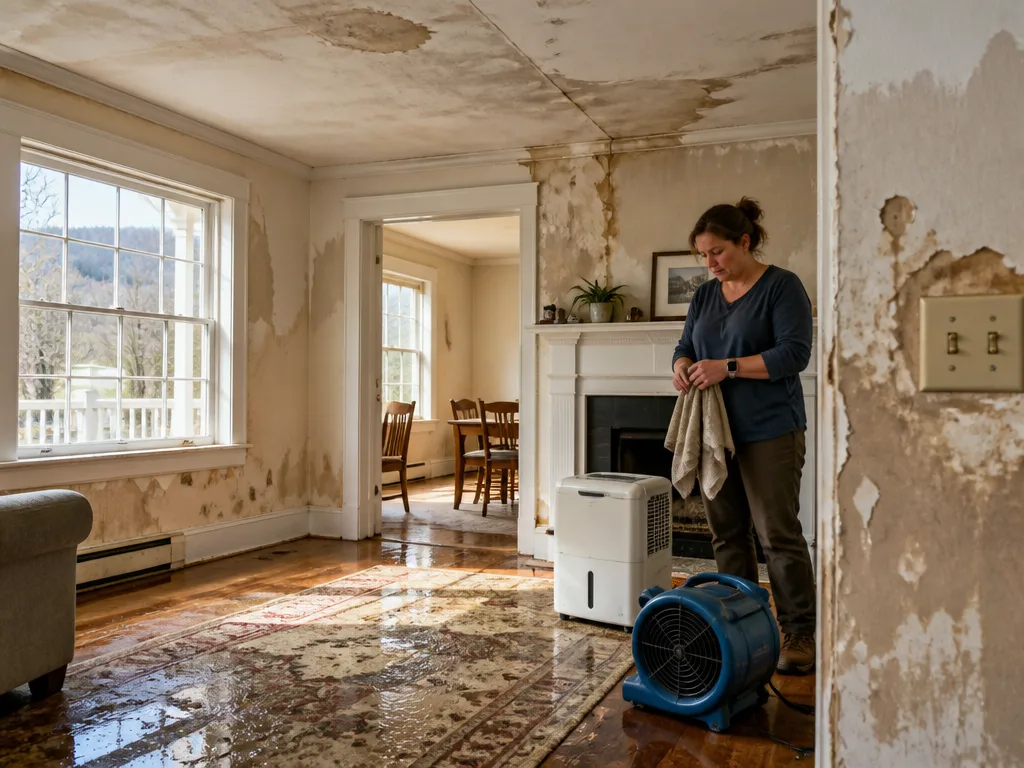
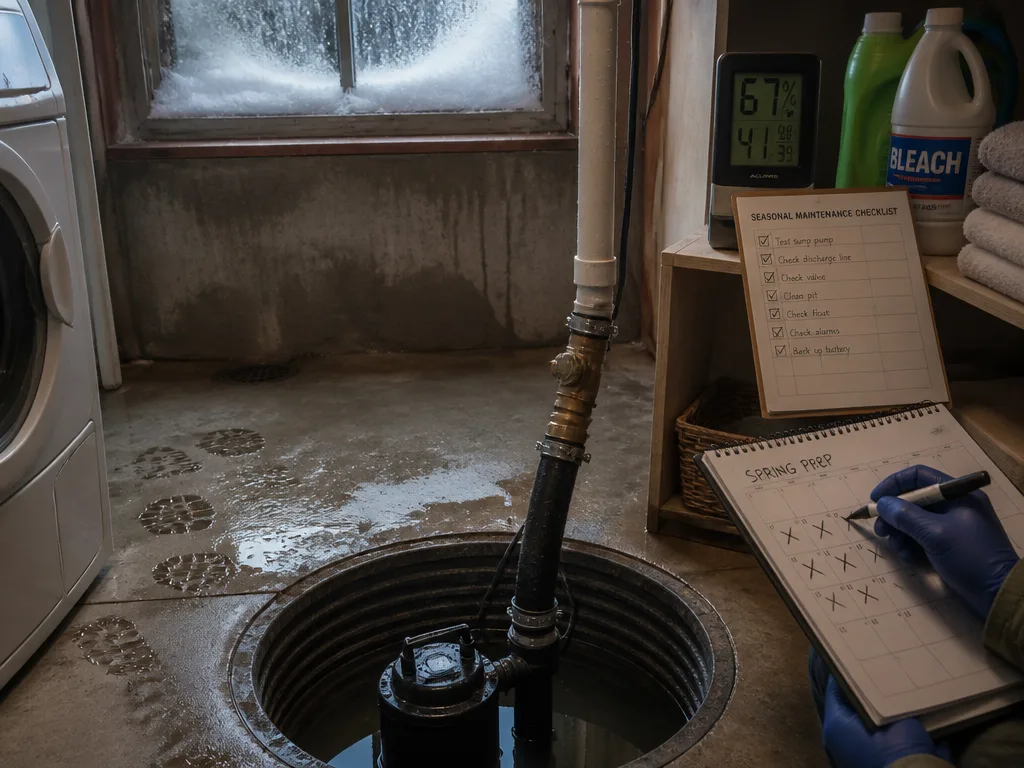
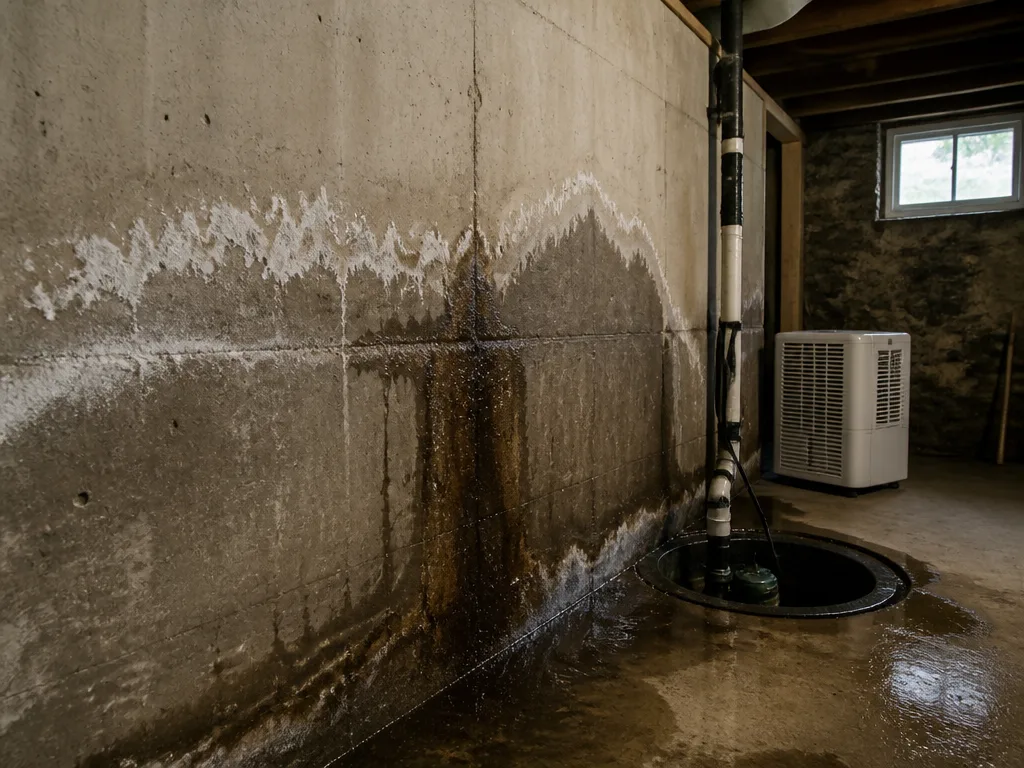
In Vermont, a wet basement often starts with small, telling symptoms. Look for a musty smell, damp concrete, or a chill in the air near walls and floors. Water may appear as light staining, streaks along concrete surfaces, or new mineral deposits around sump areas. If you notice condensation on windows or a drop in humidity after a dry spell, there may be unseen moisture pushing through the foundation.
These clues aren’t just inconveniences. They point to water migrating through walls, gaps, or cracks. Our restoration specialists in Vermont see this pattern often after thaw cycles or heavy spring rains. Detecting it early means a smoother cleanup and less disruption to your home’s structure.
Why this matters for a Vermont home
Vermont’s climate brings freezing temps, thaw, and frequent rainfall. Freeze-thaw cycles can widen cracks and push moisture deeper into basements. A small damp spot today can become a larger issue if ignored. Understanding the warning signs helps you act before the situation worsens and before the next storm rolls in across Vermont.
When these signs appear, it’s a good idea to call a restoration specialist to assess. A professional will check for hidden moisture behind walls, test for humidity levels, and map out where water is entering your space. Having a plan tailored to the Vermont climate saves time and reduces the chance of repeated cleanup events.
What to expect from a professional assessment
A restoration specialist will document moisture sources, evaluate insulation and ventilation, and review drainage around your home. They may use moisture meters, infrared imaging, and simple measurements to understand the scope. In Vermont, crews coordinate across the state to ensure you’re talking to someone who understands local seasonal patterns and soil moisture behavior.
After the assessment, you’ll get a practical plan. It will cover containment, cleanup timelines, and adjustments to prevent future moisture influx. The goal is to stabilize the space, dry surfaces thoroughly, and prepare for any needed repairs with a focus on long-term protection for Vermont homes.
Practical tips for homeowners
- Keep a log of damp spots with dates and notes on rainfall or thaw events.
- Use a dehumidifier during humid months and keep basement doors closed to minimize evaporation from living spaces.
- Check grading around your foundation; ensure soil slopes away from the home to reduce seepage.
If you notice persistent dampness or strong odors, contact a restoration specialist promptly. Vermont Sump Pump Failure Cleanup serves homeowners statewide, offering informed guidance and careful cleanup rooted in the realities of our climate.